FBNY Studio Redesign
Turned a messy, underused set of studios into a flexible, talent-first live production space at Facebook New York.
Studio Redesign & Production Operations
Upon stepping into the Studio Supervisor role at Facebook New York, I inherited three production spaces collectively known as Facebook Media Central: the Empire Set, Studio City, and the FBMC Oculus Room. Each space presented unique challenges around usability, talent experience, and production consistency.
The Original Spaces
Empire Set
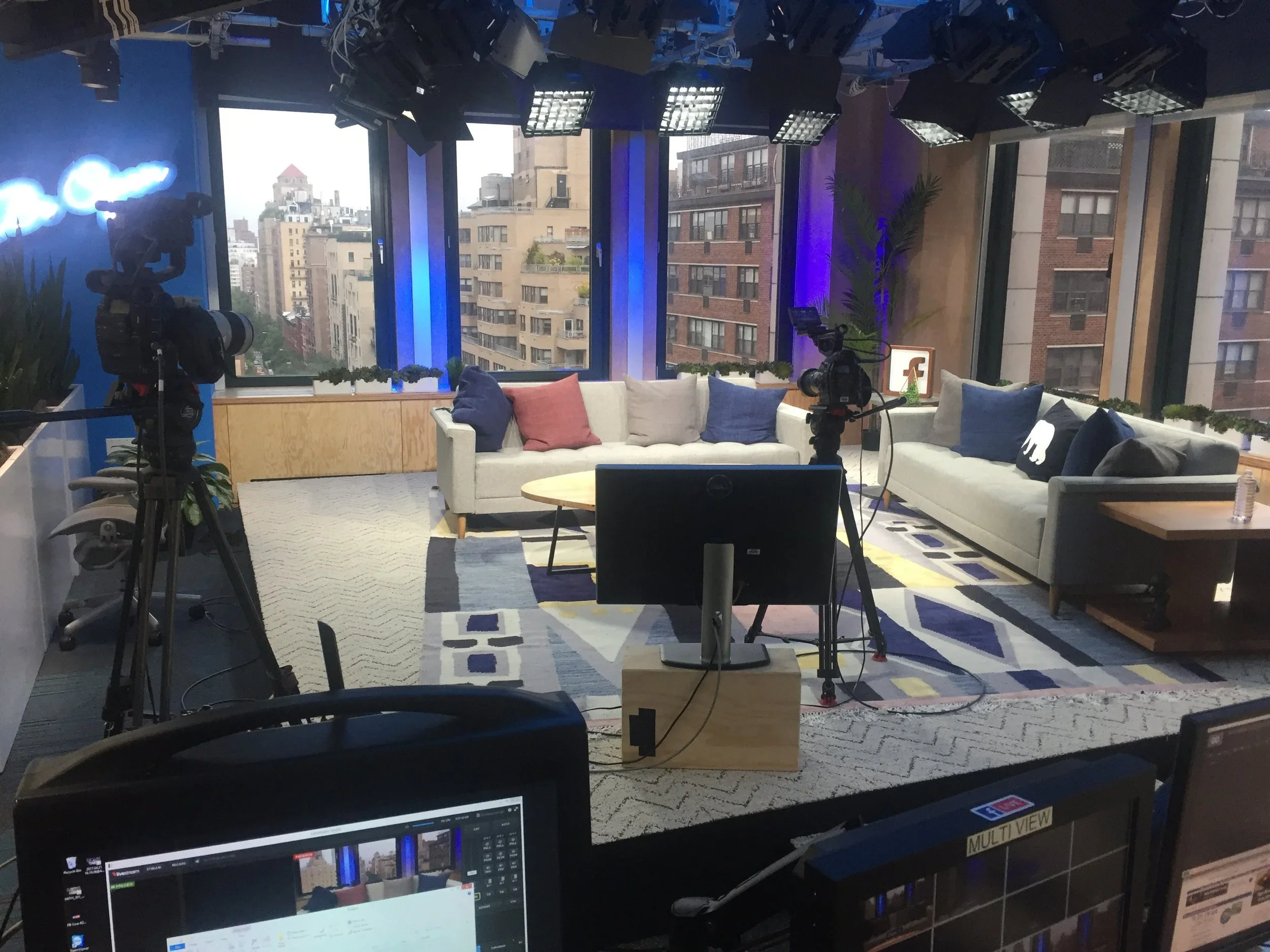
The Empire Set was an open, wall-less studio with a modest lighting grid and a view down Broadway toward the Empire State Building—though the view rarely translated on camera. The open layout created ongoing issues:
Audio bleed from surrounding work areas regularly disrupted live broadcasts
Talent often felt uncomfortable performing while facing nearby employees, negatively impacting on-camera presence
High-profile or energetic guests sometimes disrupted adjacent teams during shoots
Employees would gather during celebrity appearances, creating crowd control issues and making talent uneasy
Lighting was inconsistent due to natural light and changing weather, with limited time for adjustments
Collectively, these issues led to strained live experiences for both talent and viewers.
Studio City
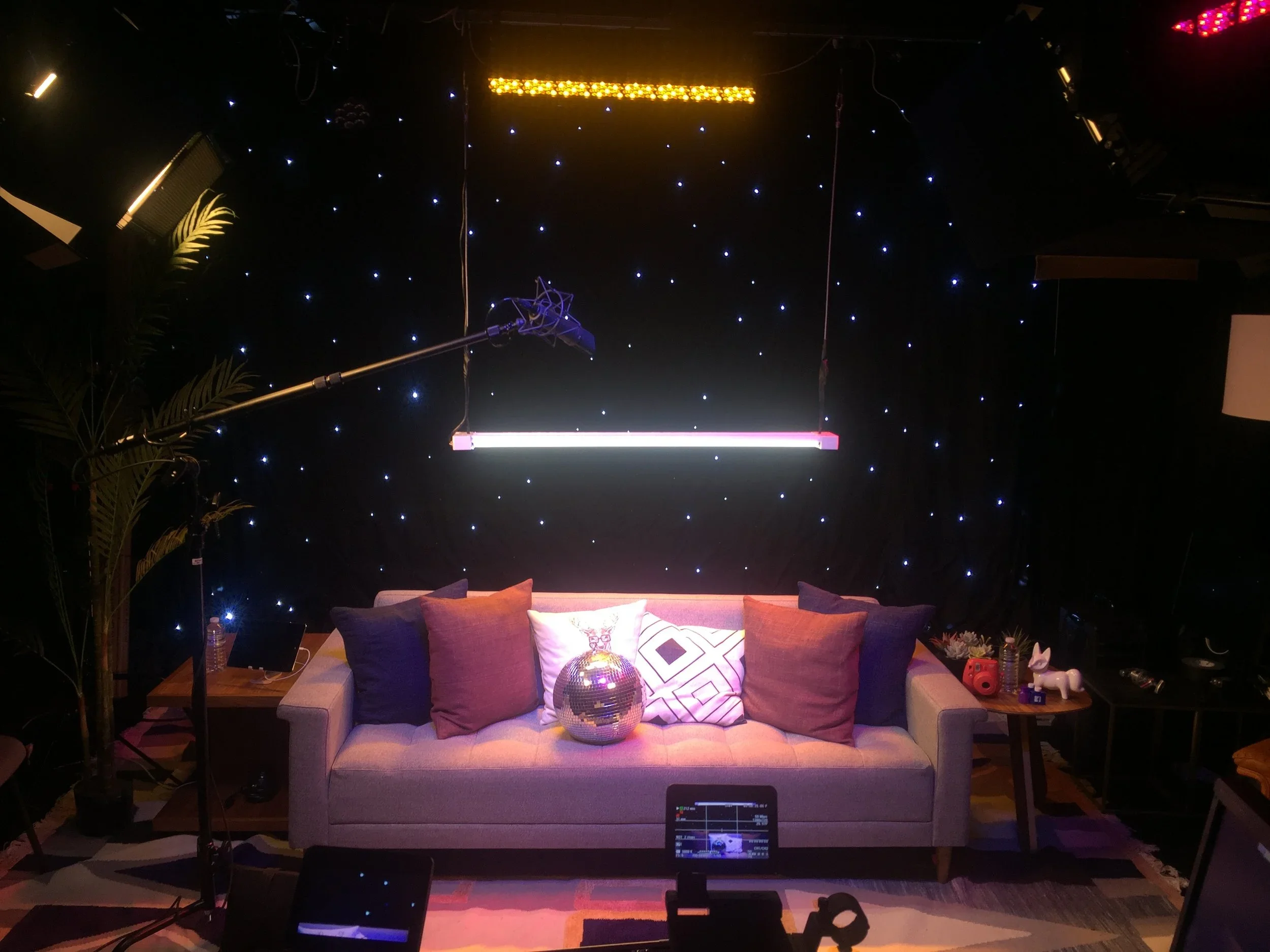
Studio City was a compact, enclosed studio measuring 16’ x 20’. Its enclosed design solved sound and lighting challenges, but the existing set was rigid and didn’t support the wide range of partners we hosted—celebrities, musicians, authors, influencers, actors, athletes, and on-air talent—each with distinct production needs.
FBMC Oculus Room
Originally intended to showcase Oculus Rift demos for partners and clients, this room went largely unused and didn’t serve an active production or hospitality purpose.
The Decision
After months of discussions with Facilities and cross-functional stakeholders about enclosing the Empire Set, it became clear that structural changes weren’t feasible. Balancing production needs with broader office priorities, I made the call to shut down the Empire Set entirely and return the footprint to Facilities for repurposing into glass-walled conference rooms—an in-demand resource at the New York office.
This was a difficult decision given the size of the space, but it allowed us to consolidate production into environments that could deliver higher-quality, more consistent experiences.
We agreed to:
Move all live video production into Studio City
Repurpose the FBMC Oculus Room into a dedicated green room for incoming talent and entourages
Redesign & Build
Studio Sets
Working with Media Partnerships, I secured budget for a full redesign. I sourced and evaluated multiple vendors, gathered feedback from internal clients, and ensured the final designs met the needs of both Facebook teams and external partners.
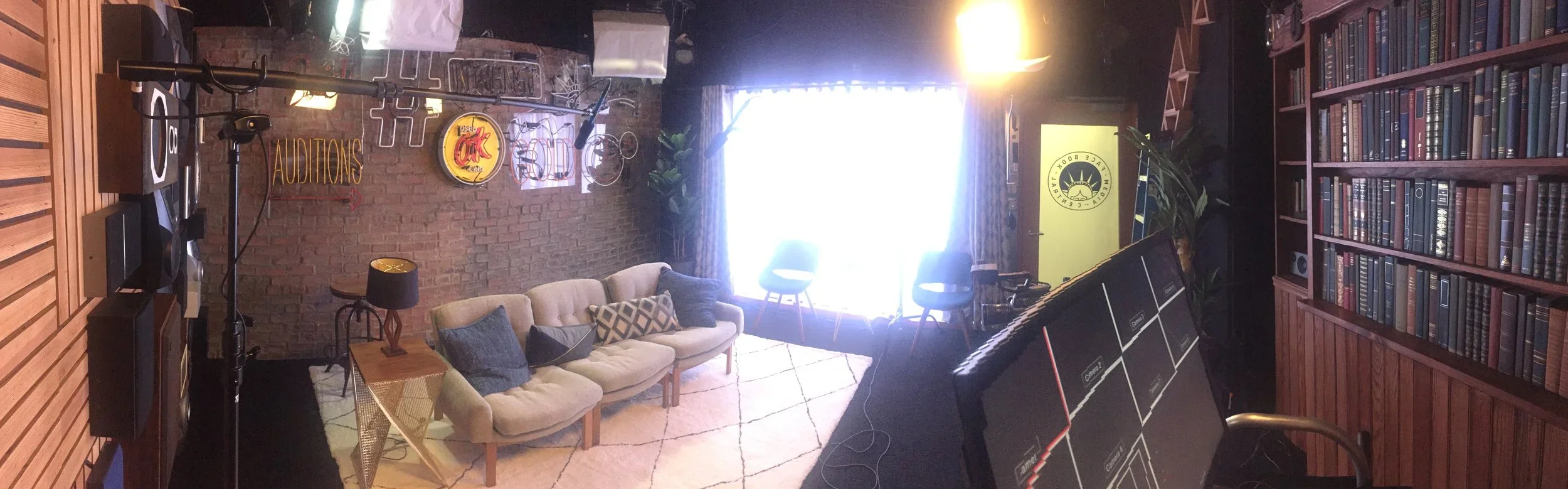
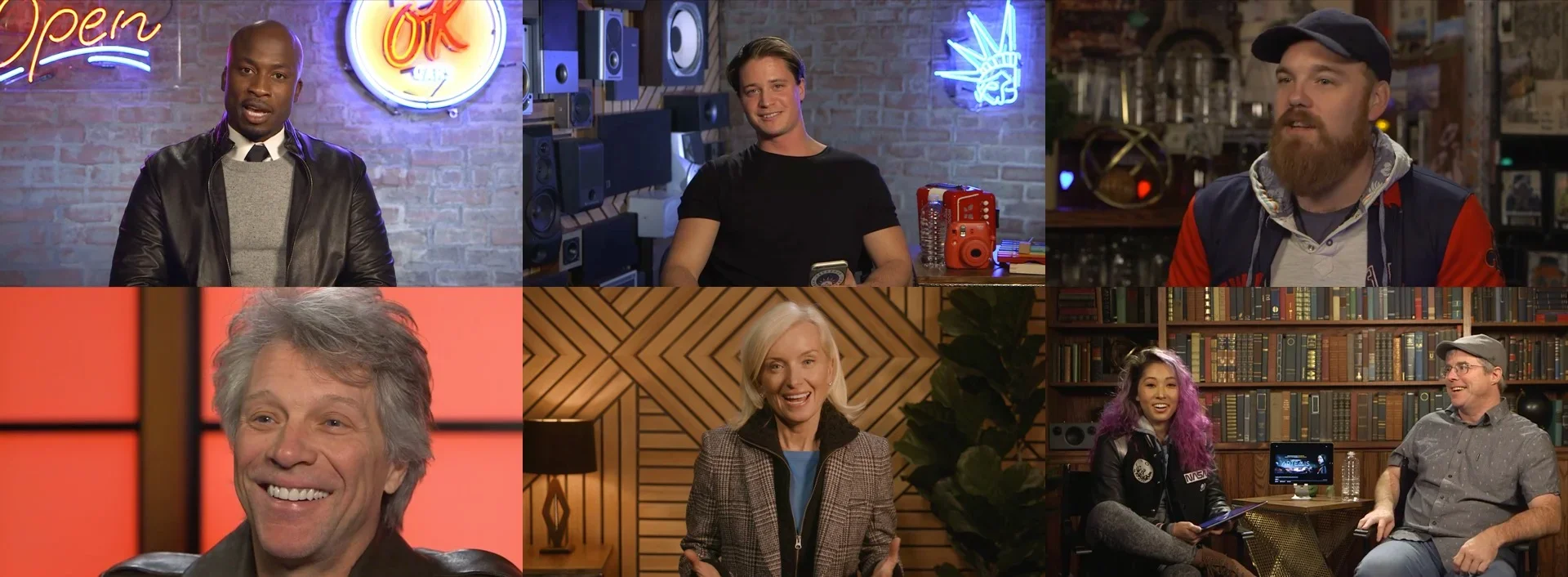
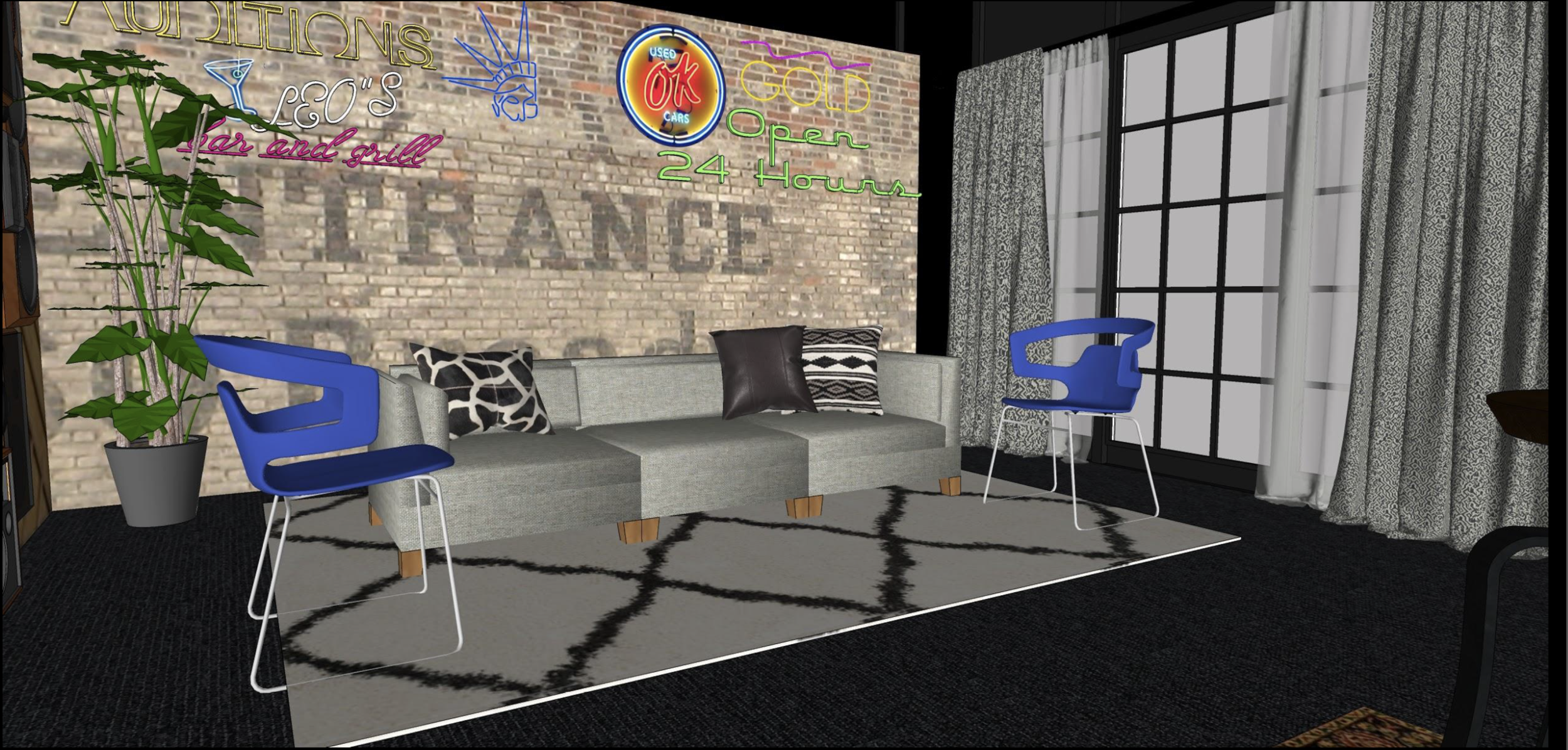
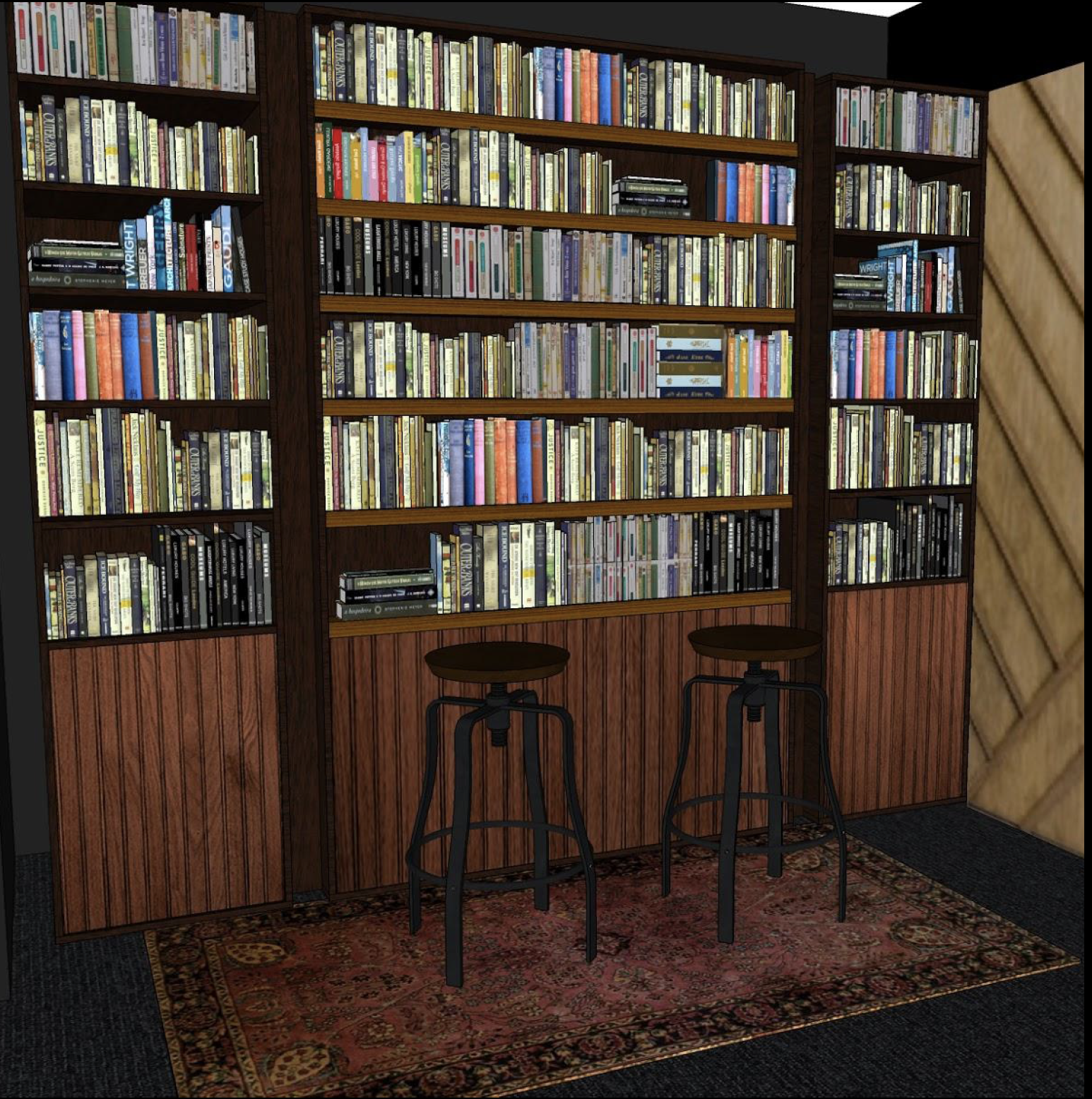
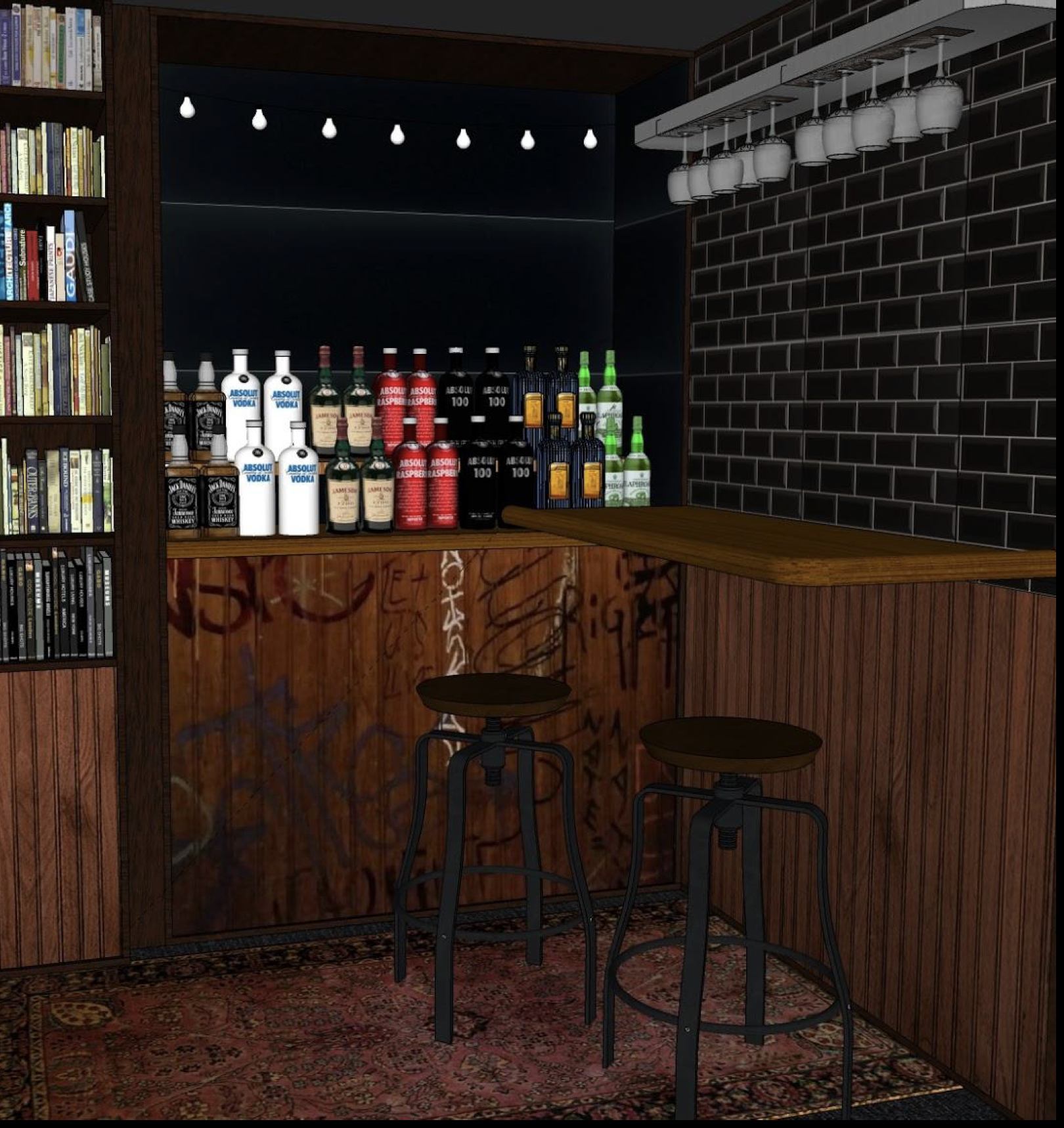
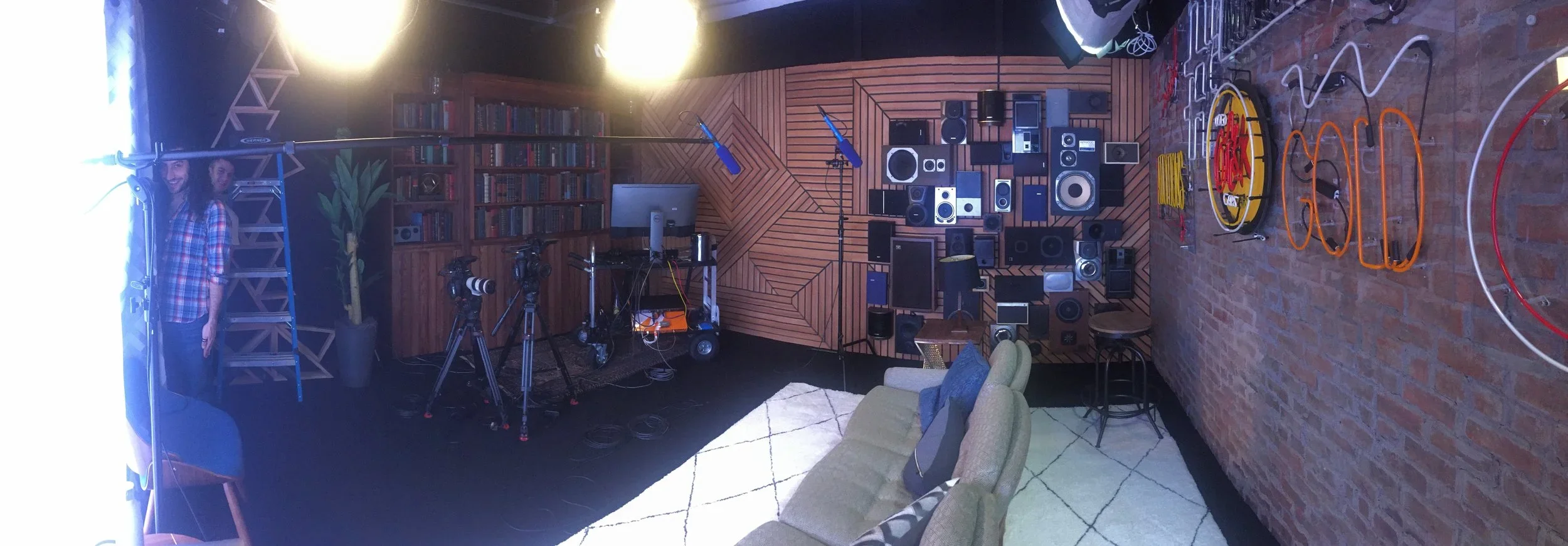
Within the constraints of a 16’ x 20’ footprint, we designed a modular studio capable of delivering distinct looks, including:
A faux brick wall for a clean, neutral backdrop
A faux window with RGB LED lighting
A speaker wall for music partners
A library set for authors
A swiveling speakeasy bar concealed within the library
A versatile wood-pattern backdrop
Every element was designed to maximize flexibility without expanding the physical footprint.
Green Room
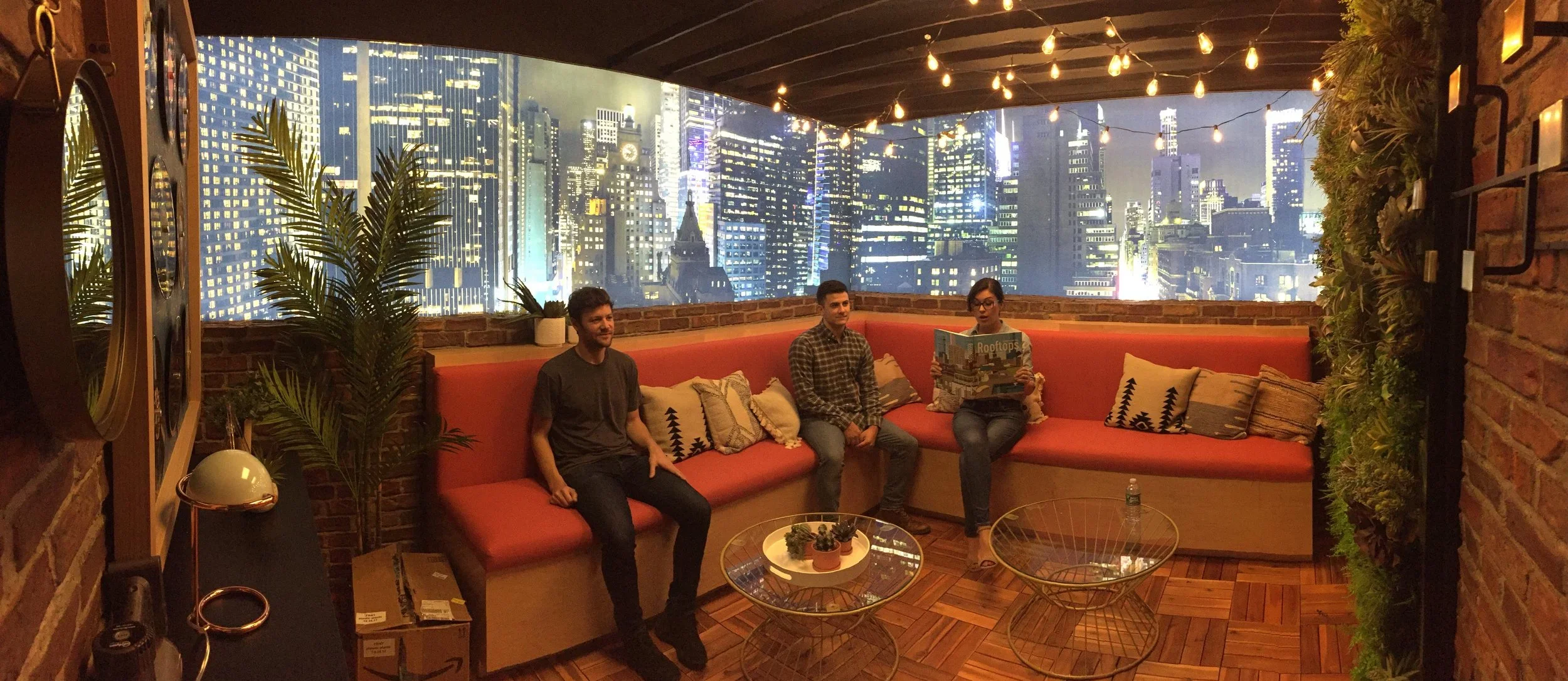
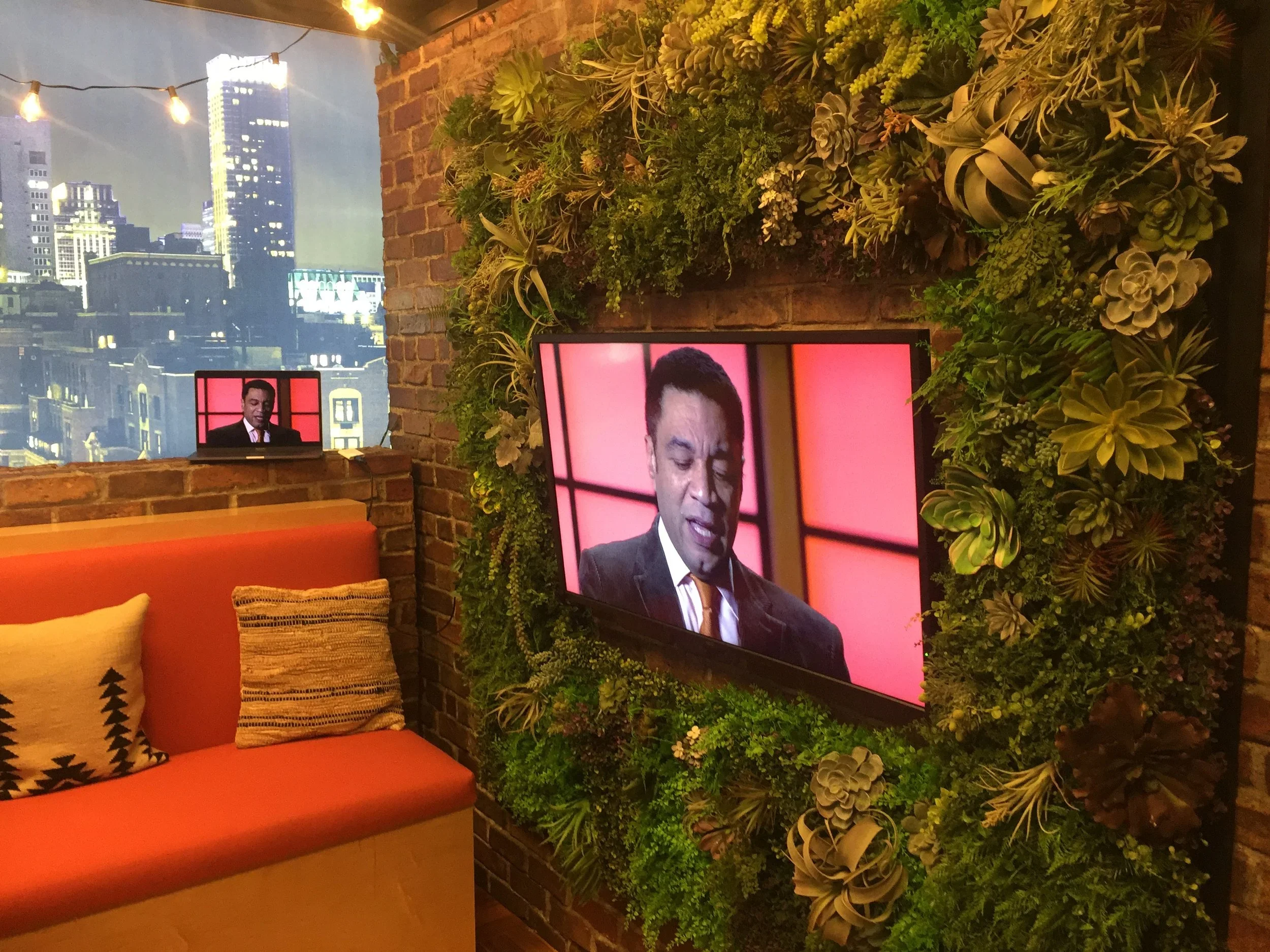
The former Oculus room was transformed into a comfortable, hospitality-forward green room inspired by a New York rooftop. Designed to delight partners while supporting product meetings, the space accommodated larger entourages and included live monitoring so guests could watch the broadcast in real time. I partnered with Mt. Vernon Entertainment to bring the space to life.
New Identity
To mark the transformation, I introduced new names inspired by the video rental era:
Studio City → Be Kind Rewind
FBMC Oculus Room → 3 Day Rental
A future Instagram studio was planned under the name Late Fees, reinforcing a cohesive and playful identity across spaces.
Lighting Grid Upgrade
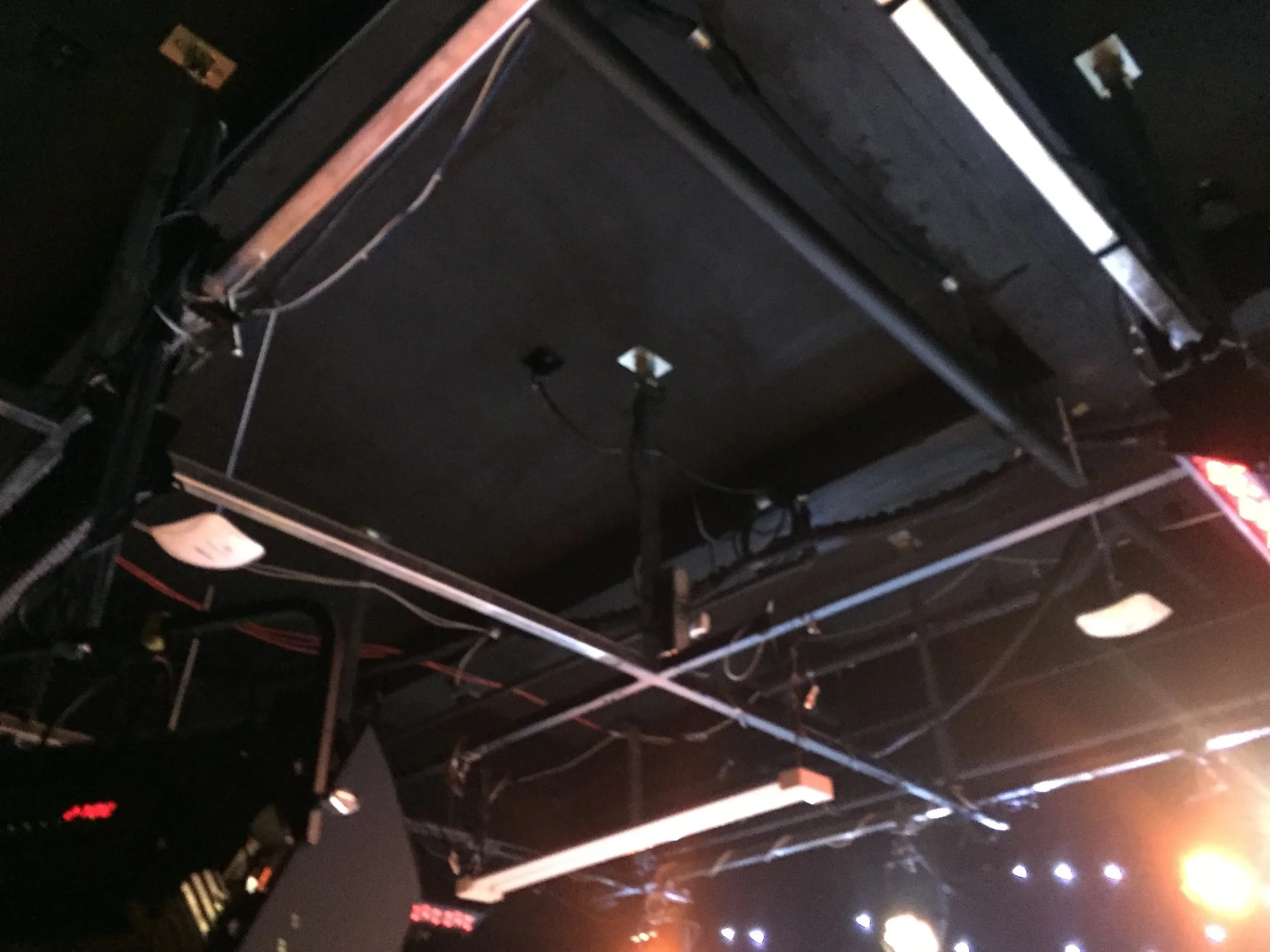
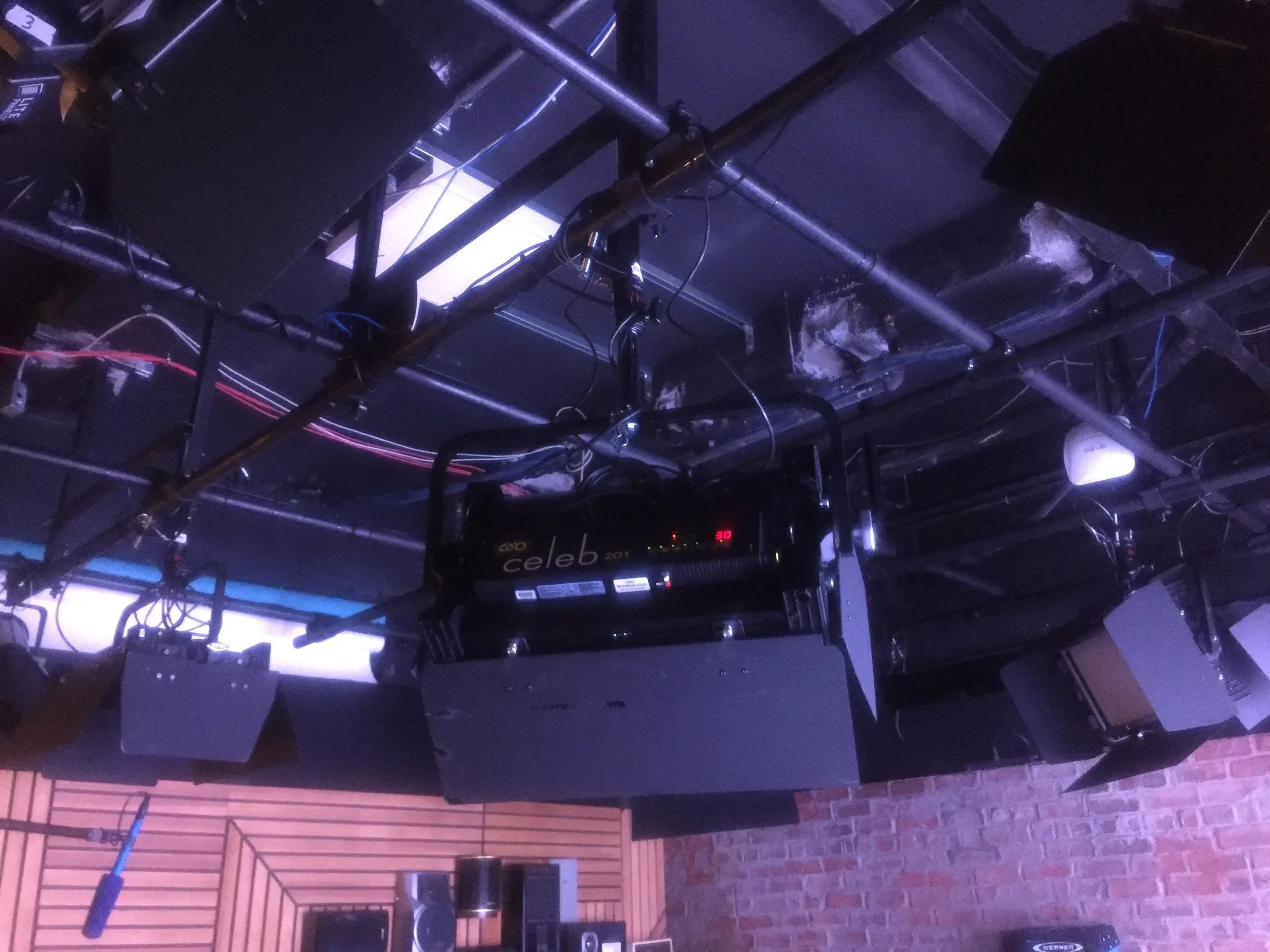
As part of the redesign, I led an overhaul of the studio’s lighting grid. The existing grid had unknown weight limits, large gaps, and square unistrut piping that prevented proper fixture angling. Documentation was unavailable, and the original installer couldn’t confirm load capacity.
I brought in McLaren Engineering Group to conduct structural pull tests. Their findings confirmed the grid was anchored directly to concrete and not suitable for heavier fixtures. In response, I partnered with Joseph Mendoza of Perception Lighting Co. and Facebook Facilities to fully rebuild the grid.
The result was a safer, more flexible lighting solution that allowed quick adjustments across multiple sets and production styles.
Impact
Improved Talent Experience
With production insulated from surrounding workspaces, talent felt more comfortable and engaged on camera, leading to stronger live performances.
Higher Viewer Engagement
Improved audio, lighting, and set variety resulted in more interactive Facebook Live sessions, with increased viewer questions and comments.
A Distinct Look for Every Partner
By rotating cameras, lighting, audio, and streaming gear within a small footprint, the team delivered unique visual identities for each partner—without expanding studio space.